
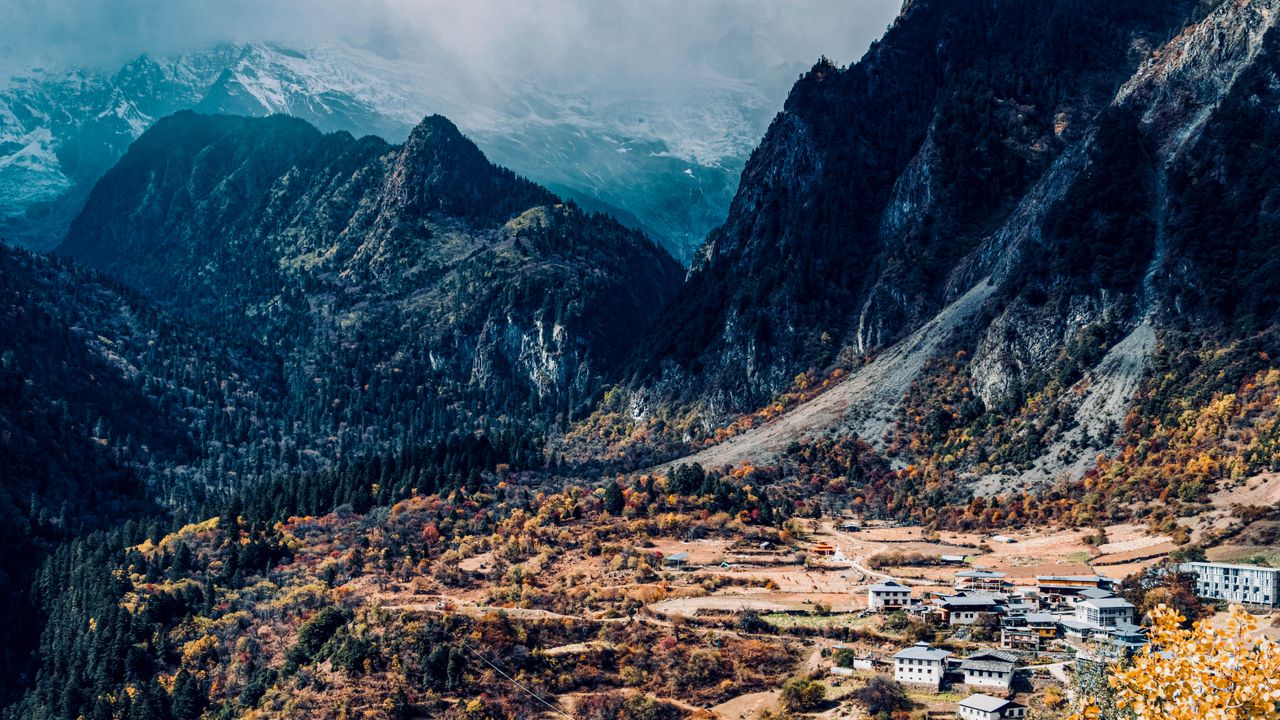
Panoramic View of Songzanlin

Monastery Hillside Facade

Giant Prayer Wheels
Basic Attraction Information
- Official Name: Ganden Songzanlin Monastery (Short: Songzanlin)
- Nickname: Little Potala Palace of Yunnan
- Location: 5km north of Dukezong Ancient Town, Shangri-La (Diqing Tibetan Autonomous Prefecture)
- Elevation: 3,380 meters above sea level
- Construction Year: Founded 1679, completed 1681 (Qing Dynasty)
- Recommended Visiting Time: 2–3 full hours
- Opening Hours: 07:00 – 17:30 (Last entry at 16:00)
- Ticket Info (2026 Official Rates) Full Combo Ticket: ¥90 / person Includes main monastery entry, round-trip eco-shuttle bus, official multilingual guided tour Discounts: Half price for students & seniors over 60; free entry for visitors over 70, military & disabled guests
Monastery Introduction
Ganden Songzanlin is Yunnan’s largest and most important Gelug (Yellow Sect) Tibetan Buddhist monastery, ranked among the 13 great “Lin” monastic complexes across the Tibetan plateau. Commissioned by Emperor Kangxi and personally site-selected by the 5th Dalai Lama, it covers 330,000 square meters of hillside land, built in layered Tibetan fortress architecture with gleaming golden roofs, thick crimson walls and hundreds of monk residences spread across the slope.
Locally known as a living Tibetan cultural museum, the complex combines grand scripture halls, ancient mural galleries, working monk quarters and the sacred Lamu Yincuo reflection lake. It serves as the spiritual heart of Shangri-La’s Tibetan community, where pilgrims, resident lamas and international visitors coexist amid daily prayer rituals, scripture chanting and traditional butter lamp offerings. The symmetrical hillside layout mirroring Lhasa’s Potala Palace earned it the famous “Little Potala” title.
Rich Historical Background
- 1679 – Approved by the Kangxi Emperor, the 5th Dalai Lama chose the hillside site via divination rituals; construction began.
- 1681 – Monastery finished and formally named Ganden Songzanlin by the 5th Dalai Lama, meaning “Paradise of Buddha’s followers”. The Qing court later gave it the Chinese name Guihua Temple (Temple of Ethnic Harmony).
- 1936 – During the Long March, the Red Army received grain support from local monks; General He Long gifted an embroidered banner reading “Prosperity for Tibetan Tribes”, now preserved as a national cultural relic inside Jikang Hall.
- Modern Restoration – Major renovation works preserved original murals, Buddha statues and golden roof ornaments, retaining the authentic 17th-century Tibetan architectural style.
Core Must-See Spots Inside & Around Songzanlin
1. Lamu Yincuo Sacred Lake
The iconic foreground lake directly facing the monastery hillside. “Lamu Yincuo” translates to “Fairy Mirror Lake”. On windless mornings, the full golden-roof temple complex reflects perfectly in still turquoise water — the most photographed viewpoint of Songzanlin. A circular wooden boardwalk loops around the lake for panoramic landscape shots at sunrise and sunset.

Lamu Yincuo Lake Reflection
2. Zhacang Main Assembly Hall
The central highest hall and monastery’s primary scripture university. This massive multi-story building houses thousands of ancient Buddhist scriptures, giant bronze Buddha statues and centuries-old mineral pigment murals depicting Tibetan creation myths and Buddha’s life. Daily lama debating ceremonies take place in the courtyard mid-afternoon; visitors may quietly observe from designated viewing areas. Thick 1.5m load-bearing red walls give the hall exceptional earthquake resistance.
3. Jikang Hall (Tsongkhapa Hall)
Dedicated to Gelug founder Tsongkhapa, featuring a huge gilded Sakyamuni Buddha statue. The priceless “Prosperity for Tibetan Tribes” banner gifted by the Red Army is displayed here, alongside antique thangka scrolls and ritual silver instruments used in major monastery festivals.

Tibetan Mural Details
4 Monk Residence Clusters
Hundreds of white-walled, red-trimmed lama houses tier up the mountain slope between the main halls. Wander quiet alleyways to smell simmering butter tea from courtyard kitchens, spot young novice monks walking between classrooms and witness daily domestic Tibetan monastic life untouched by commercial crowds.
5 Giant Prayer Wheel Corridor
At the lower monastery entrance, a long covered gallery lined with massive copper prayer wheels embossed with ancient Tibetan mantras. Tibetan tradition requires spinning each wheel clockwise while reciting prayers for blessings. Colorful Tibetan prayer flags drape overhead, ideal cultural portrait photography.

Giant Copper Prayer Wheel
Recommended Visiting Route (Loop, No Backtracking)
- Visitor Center → Board eco-shuttle bus uphill to monastery main gate
- Giant Prayer Wheel Corridor for prayer rituals & photos
- Zhacang Main Hall (core scripture assembly hall)
- Jikang Hall (Tsongkhapa & Red Army relic exhibition)
- Wander monk quarter alleyways for authentic local scenes
- Descend hillside to Lamu Yincuo Lake boardwalk for panoramic monastery reflection shots
- Shuttle bus back to visitor parking lot
How to Reach Songzanlin Monastery
1. YunnanJourney Private Transfer (Top Choice for Overseas Travellers)
Door-to-door pick-up from your Dukezong Ancient Town hotel. Our licensed local Tibetan drivers are familiar with highland roads, offer flexible stop times at the lake viewpoint and can pair Songzanlin with other Shangri-La landmarks like Napa Lake and Pudacuo National Park on a single custom day charter.
- Driving time from Dukezong: 15 minutes one way
2. Local Public Bus
Take Bus No.3 or 16 from Dukezong Old Town main square directly to Songzanlin Visitor Center stop; fare ¥2 per person, runs every 20 minutes daily.
3. Taxi / Shared Car
Short taxi ride from ancient town (¥12–15 one way); shared car pooling available for budget solo travellers at ¥10 per passenger.
Nearby Shangri-La Attractions for Combined Itineraries
- Dukezong Ancient Town – 15-minute drive, famous giant turning prayer wheel & Tibetan street food
- Napa Grassland Wetland – 30-minute drive, seasonal migratory black-necked cranes
- Pudacuo National Park (Potatso) – 1-hour drive, highland lakes & forest trails
- Shudu Lake – Crystal alpine lake within Potatso Park
- Meili Snow Mountain – Multi-day northern Shangri-La overland tour extension
Critical High-Altitude Travel Tips
- Altitude Care: Songzanlin sits at 3,380m; walk slowly up hillside staircases, avoid running or heavy exertion. Pack bottled water and light sugary snacks to ease mild altitude fatigue. Oxygen cans can be purchased at the visitor center if needed.
- Weather Prep: Shangri-La’s day-night temperature gap exceeds 15°C year-round; carry windproof layers, down jackets and UV protection (strong plateau sun even on cloudy days).
- Religious Etiquette Rules
- Always walk clockwise around halls, prayer wheels and monastery buildings
- No loud talking or laughing inside scripture halls
- Do not step over threshold stones of Buddha shrines
- Photography without flash is permitted outside main halls; indoor statue photography prohibited
- Best Visiting Windows Morning (08:00–10:00): Soft golden light for lake reflections, fewer tourist crowds Late Afternoon (16:00–17:30): Warm sunset glow gilding the monastery golden roofs before closing
Featured Tours Including Songzanlin Monastery
- 1 Day Shangri-La Classic Tour (Songzanlin + Dukezong + Napa Lake) – Starting from $135
- 4 Days Kunming-Dali-Lijiang-Shangri-La Cross-Yunnan Tour – Starting from $280
- 6 Days In-Depth Northwest Yunnan Tibetan Culture Itinerary – Starting from $360
Book Your Shangri-La Trip with YunnanJourney
We offer full-service Shangri-La travel support: private highland transfers, pre-booked Songzanlin combo tickets, Tibetan boutique hotel reservations and fully custom multi-day cultural tours with 24-hour English customer support.
Service Email: service@yunnanjourney.com
Leave a Reply